

Stories
Here, we go beyond the products to share the stories, insights, and innovations that fuel Rygg. From athlete spotlights and product launches to expert advice and cultural moments, this is where movement meets meaning. Stay connected to the people and ideas driving progress, because for us, movement is just the start of what’s possible.
- All posts 12

Backing the Clubs That Show Up: RYGG’s 2026 Community Rugby Partnerships RYGG is proud to confirm our 2026 community rugby partnerships with Wests Rugby Union, Norths Rugby League, and Eastwood Rugby Union. Wests and Eastwood return as partners for another season, and we are thrilled to welcome Norths to the RYGG family for the first time.Community sport is where RYGG belongs. It is where our products earn their place: in the kit bags of players who train through the week, show up on weekends, and back themselves week in, week out.RYGG will be on the sidelines, in the sheds, and in the kit bags of players across all three clubs through the season. Why these clubs, and why now Wests, Norths, and Eastwood share something that matters to RYGG. They are family clubs. Multi-generational. Grassroots first. They develop juniors with the same care they give their first-grade squads, and they treat every player, from under-7s to senior women’s teams, as part of the same community. That is the kind of sport RYGG was built to support.Each of these clubs reflects values RYGG was built on. Hard work. Integrity. Showing up for teammates. Earning your place. Our creative platform, EARNED., exists because we believe in the people who do the work. Community rugby is full of them. Why Informed Sport matters in community rugby Every RYGG product is Informed Sport certified. Informed Sport is a globally recognised program that tests sports products for substances banned in sport. Every batch of Rygg HEATE and every batch of Rygg KHULE is independently screened before it reaches a player’s kit bag.For a community rugby player who might be selected into representative squads, or who simply wants to know exactly what they are putting on their body, that certification supports peace of mind when products are used as directed. That assurance matters at the grassroots level, where clubs do not have the team of specialists that professional outfits do. About Rygg HEATE and Rygg KHULE Both Rygg HEATE and Rygg KHULE are Australian-made, TGA-listed external analgesic medicines, manufactured under GMP (Good Manufacturing Practice) quality systems. The base formulas are fast-absorbing, quick-drying, non-greasy, and described as hypoallergenic and suitable for all skin types when used as directed. Rygg HEATE is a warming thermo-performance cream. It is positioned for pre-activity preparation and is formulated to improve muscle performance, endurance and stamina, and to help reduce mild joint aches and pains when used as directed. Rygg KHULE is a cooling cryo-active recovery gel. It is positioned for post-activity routines and is formulated to assist post-exercise recovery, help reduce mild joint inflammation and swelling, and help reduce symptoms of muscle sprain and strain when used as directed. The fast-drying, non-greasy base matters more in contact sport than in almost any other code. Players are taping wrists and ankles, wearing tight kit, and making constant skin-on-skin contact. A heavy or oily muscle pain relief product does not survive that environment. A simple match-week routine Before field or gym: move first, then apply Rygg HEATE as part of an active warm-up. After training or games: rehydrate, eat, cool down, then apply Rygg KHULE through the post-exercise recovery window. In the treatment room: keep products personal, visible, and documented. Avoid shared or unlabelled items. Across the season: lean on Informed Sport certified products and clean-product habits. Backing women in rugby Rugby is one of the most powerful drivers of women’s sport in Australia right now. Women’s squads at Wests, Norths, and Eastwood are not afterthoughts. They are central to the future of these clubs and the future of the game. RYGG is proud to support women in sport, and partnering with three clubs that are genuinely investing in their women’s programs reflects what we value as a brand. Why RYGG was built RYGG was founded by Australian orthopaedic surgeon Dr Steve Andrews (MBBS, FRACS, FAOrthA, MCIME) to meet a clinical standard not commonly found in the topical analgesic category. The products carry Informed Sport certification, with every batch independently screened. The manufacturing meets GMP standards. The Australian wording stays inside the TGA-listed framework. These are not marketing flourishes. They are operating standards built into RYGG from the start. Partnering with clubs like Wests, Norths, and Eastwood is how those standards play out on the ground, in real kit bags, used by real players in real game weeks. Looking ahead to the 2026 season Expect to see RYGG on the sidelines, in the sheds, and in the kit bags of players across all three clubs through 2026. We will be supporting club initiatives across juniors, seniors, and women’s rugby throughout the year. To everyone at Wests, Norths, and Eastwood: thank you for having us back, and a warm welcome to our newest partners. Let’s get into it. About RYGG RYGG is an Australian surgeon-founded topical analgesic brand. Our two hero products, Rygg HEATE and Rygg KHULE, are TGA-listed, manufactured in Australia under GMP quality systems, and Informed Sport certified with every batch independently tested. Learn more at RYGG.au. Always read the label and follow the directions for use. Product use in Australia should follow local labelling and TGA guidance.

Medically reviewed by: Dr Steve Andrews, MBBS FRACS FAOrthA MCIME (ABIME) TL;DR Construction, trades and mining work in Australia load the body hard. “Body stressing” injuries, largely musculoskeletal disorders from lifting, carrying, awkward postures and repetitive tasks, remain a leading cause of serious workers’ compensation claims, especially in construction and mining (Safe Work Australia, 2016, 2018, 2023). Prevention comes first: better job design, mechanical aids, safe lifting, heat-stress controls and early treatment. Within that broader framework, TGA-listed external analgesic medicines such as Rygg HEATE® (warming cream) and Rygg KHULE® (cooling gel) can provide temporary relief of mild aches and pains of muscles and joints on intact skin when used as directed. They do not prevent injury, treat serious conditions, or manage heat illness. For workers in drug-tested or safety-critical roles, using TGA-listed, Informed Sport–certified, batch-tested products and recording batch codes offers a more transparent, “clean product” pathway than relying on unregulated creams or supplements (Mathews, 2017; Jagim, Camic, Harty, & Kerksick, 2023; Sport Integrity Australia, n.d.). No product is truly risk-free, but good choices can meaningfully reduce that risk. 1. The body cost of building, trades and mining On a hot afternoon on site, shoulders heavy from tools, knees tight from ladders, back stiff from twisting in confined roof spaces or underground headings, most tradies and miners know exactly what work feels like in their bodies. National data consistently show that “body stressing” (largely musculoskeletal disorders from lifting, carrying, repetitive work and awkward postures) accounts for around one-third of serious workers’ compensation claims in Australia (Safe Work Australia, 2016, 2018, 2023). Construction, mining and heavy industry are over-represented, with particularly high rates of: Low back pain from manual handling, sustained flexed postures and vibration Knee and hip problems from kneeling, climbing and uneven surfaces Shoulder and upper-limb issues from overhead work, forceful gripping and tool use Epidemiological work confirms that repetitive heavy lifting, vibration, kneeling, and overhead work in construction are major contributors to work-related musculoskeletal disorders (Punnett & Wegman, 2004; Safe Work Australia, 2016). In underground mines and tunnels, heat stress adds another layer of risk. Long shifts in hot, humid environments can drive dehydration, fatigue, reduced concentration and heat-related illnesses if controls are inadequate (Resources Regulator NSW, 2022; Department of Mines, Industry Regulation and Safety [DMIRS], 2023). None of this is solved by a cream or gel; it is solved by proper engineering controls, ventilation, rest breaks and hydration. Against this backdrop, keeping muscles and joints working over a whole career, not just this week, demands a systems-first approach: design, engineering controls, work organisation and early intervention. Topical pain-relief creams sit much further downstream, in the “comfort and symptom relief” space. 2. Prevention first: what creams cannot do From a work health and safety (WHS) perspective, it is critical to be explicit about what topical products cannot and must not be claimed to do. Evidence-based prevention in trades and mining usually includes (Safe Work Australia, 2016, 2018, 2023): Better job design and engineering controls Mechanical aids, lift assists, powered tools, conveyor systems, and reducing work at extreme heights or in confined spaces. Training, supervision and culture Practical instruction in safe lifting, correct use of tools, early fatigue recognition, and a culture where speaking up about pain is normal rather than “soft”. Environment and PPE controls Appropriate footwear and gloves, rest breaks, shade, cool rest areas, ventilation or cooling in underground settings, and adherence to heat-stress plans (Resources Regulator NSW, 2022; DMIRS, 2023). Early reporting and treatment Encouraging workers to report niggles and aches early so that load modifications, physiotherapy, and medical review can occur before injuries become chronic. Within this hierarchy, no topical medicine, including Rygg HEATE® and Rygg KHULE®, can: Prevent unsafe lifting or manual-handling injuries Replace WHS controls or safety systems Treat fractures, major tears, heat exhaustion or heat stroke “Fix” arthritis, tendon tears, or occupational overuse syndromes TGA-aligned messaging must frame these products as adjuncts for temporary relief of mild muscle and joint aches, not as preventive devices or primary treatments. 3. Where Rygg HEATE® and Rygg KHULE® fit Within that prevention-first framework, many workers still want something simple and legal they can use for day-to-day mild aches and pains from physical work. In Australia, products like Rygg HEATE® and Rygg KHULE® are TGA-listed external analgesic medicines. In line with their Australian Register of Therapeutic Goods (ARTG) indications, they can be described as: Rygg HEATE® - a warming external analgesic cream used to: Decrease, reduce or relieve mild joint aches and pains, and Help enhance, improve, promote or increase muscle performance, endurance and stamina, when used as directed on intact skin. Rygg KHULE® – a cooling external analgesic gel used to: Decrease, reduce or relieve mild joint inflammation and swelling, Help decrease, reduce or relieve symptoms of muscle sprain and strain, and Aid or assist post-exercise recovery, when used as directed on intact skin. These are symptom-relief, not cure claims, and they sit within the external analgesic space rather than the disease-treatment space (e.g., no “treats osteoarthritis” language). 3.1 Product features that matter on the tools For tradies, FIFO workers and underground crews, several practical features are relevant: Non-greasy, fast-absorbing bases Rygg HEATE® and Rygg KHULE® are formulated to absorb quickly, leaving a non-greasy feel that is less likely to interfere with grip, tools or PPE. This is a product-experience claim, not a therapeutic claim, but it matters in real-world use. Targeted warming and cooling sensations Rygg HEATE® produces a gentle warming sensation that many users like before movement, such as at the start of a shift or before light exercise. Rygg KHULE® produces a cooling sensation that may feel pleasant after work or post-exercise, especially when muscles and joints feel hot and irritated. These are sensory effects, not deep tissue heating or cooling. Local, external action For workers on multiple oral medicines, or with comorbidities that make systemic analgesic use more complex, external analgesics provide an option for local symptom management with relatively low systemic exposure (Mansour, Nguyen, & Brandt, 2024). Again, the key is positioning: temporary relief of mild muscle and joint aches, not “get rid of all pain” or “work through injuries”. 4. How topical external analgesics work (in plain English) Many topical products for work-related aches contain counterirritant ingredients such as menthol and methyl salicylate. These are recognised in pharmacology and pain literature as agents that can modulate pain perception at the skin and superficial tissue level (Guo et al., 2022; Mansour et al., 2024). 4.1 Warming creams (HEATE-type) Warming creams often contain methyl salicylate, a salicylate ester classified as a counterirritant in external analgesic monographs. At label-specified concentrations, methyl salicylate produces a mild heating or tingling sensation when applied to intact skin and stimulates cutaneous sensory receptors in a way that can compete with deeper pain signals (Guo et al., 2022). This fits the gate control theory of pain, which proposes that non-painful sensory input (like temperature changes or touch) can inhibit transmission of some pain signals at the spinal cord level. A small proportion of methyl salicylate can be absorbed through the skin and converted to salicylic acid, but systemic exposure is typically low when used as directed (Guo et al., 2022). In practice, for a plumber with a mildly aching shoulder or a concreter with stiff knees, a warming cream like Rygg HEATE® can: Provide a comfortable warmth over the area Take the edge off mild joint aches before light movement Support completion of prescribed stretching or strengthening work It does not repair damaged cartilage, ligaments or tendons. 4.2 Cooling gels (Rygg KHULE®) Cooling gels such as Rygg KHULE® commonly contain menthol and other cooling agents. Menthol activates cold-sensing channels on peripheral sensory nerves, producing a cooling sensation that can feel soothing or “numbing” for some users (Mansour et al., 2024). The key points: The skin may feel cooler, but core temperature does not drop in a clinically meaningful way. The effect is sensory and temporary, but can help workers feel comfortable enough to move gently after activity. For symptoms of minor sprain/strain or post-exercise soreness, a cooling gel can be one layer alongside rest, graded loading and physiotherapy (Guo et al., 2022; Mansour et al., 2024). In hot underground environments, the Rygg KHULE® cooling sensation should be framed carefully as comfort after work, never as a treatment for heat stress or a substitute for heat-management procedures (Resources Regulator NSW, 2022; DMIRS, 2023). 5. A day on the tools: a label-aligned routine Here is a hypothetical, TGA-aligned routine using Rygg HEATE® and KHULE™ for a tradesperson or underground worker. Always follow the actual pack label and workplace policies. 5.1 Before the shift: getting moving 1. Red-flag check If there has been a recent fall, crush injury, major impact, inability to bear weight, visible deformity, marked swelling, chest pain, breathlessness, neurological symptoms, or signs of heat illness (confusion, collapse, vomiting), this is an emergency or urgent medical issue, not a job for a topical cream. 2. 5–10 minute warm-up Light walk around the yard or crib room Body-weight squats, hip circles, shoulder rolls Gentle forearm and calf stretches 3. Optional Rygg HEATE® on intact skin Apply a thin layer of Rygg HEATE® to areas of familiar mild ache (e.g., lower back, shoulders, forearms) on intact skin only. Avoid broken skin, rashes or sunburn. Wash hands after applying. Allow the cream to dry fully before pulling on gloves or using tools. Do not use directly under tight bandages or in combination with external heat (heat packs, very hot showers over the area), as misuse of some topicals has been linked to rare but serious burns (U.S. Food and Drug Administration [FDA], 2012; Desai et al., 2021). The intent is comfort and confidence for light movement, not masking serious pain so that workers push through unsafe loads. 5.2 During the shift: safety first, then comfort Follow WHS policies on manual handling, lift limits, rest breaks and hydration (Safe Work Australia, 2016, 2018, 2023). In underground or hot environments, adhere strictly to heat-management plans, rest schedules and cooling strategies (Resources Regulator NSW, 2022; DMIRS, 2023). Take micro-breaks to change posture and stretch briefly between repetitive tasks. Topical re-application during the shift: Must stay within the maximum frequency and total applications per day specified on the Rygg HEATE® or Rygg KHULE® label. More frequent application is not better and may increase the risk of skin irritation. If redness, burning or rash appears, wash off and stop use. 5.3 End of shift: winding down and recovery 1. Cool-down and movement 5–10 minutes of light walking, gentle mobility for hips, shoulders, spine. Avoid going straight from heavy work to immobility (e.g., long drive home) without some movement. 2. Optional Rygg KHULE® on intact skin Apply a thin layer of KHULE to muscles and joints that feel mildly achy after work (e.g., calves, forearms, shoulders, lower back). Avoid broken skin, areas with dermatitis or infected wounds. Let the gel dry fully before bedclothes or compression garments go on. Wash hands after use. 3. Overnight recovery basics Hydrate and refuel appropriately. Aim for regular sleep–wake times. Plan active recovery or physio-led exercise for upcoming days. KHULE here is positioned as post-exercise/post-work comfort that can aid the recovery process by taking the edge off mild symptoms, not as a treatment for major injuries or heat illness. 6. Drug testing, Informed Sport and “clean” products for workers Many large employers in construction, mining and heavy industry operate drug and alcohol testing programs, sometimes including screening for substances prohibited in sport or workplace policies. Workers are understandably cautious about any product they put in or on their bodies. Sport Integrity Australia notes that supplements have been a major source of anti-doping rule violations, especially products bought online or overseas that contain undeclared stimulants, steroids or other banned substances. Their guidance is clear: no supplement is risk-free, but some choices are significantly lower risk than others (Mathews, 2017; Jagim et al., 2023; Sport Integrity Australia, n.d.). 6.1 Why TGA listing and Informed Sport certification matter For topical medicines like Rygg HEATE® and Rygg KHULE®: They are TGA-listed medicines, which means: They use permitted active ingredients at specified strengths. They are manufactured under Good Manufacturing Practice (GMP). They have an AUST L number and must meet quality, labelling and advertising standards. They are Informed Sport–certified, which means: Every certified batch is tested for a broad panel of WADA-prohibited substances in ISO/IEC 17025-accredited laboratories. Manufacturing sites undergo audits and quality checks to reduce cross-contamination risk (Mathews, 2017; Jagim et al., 2023). For a worker under a workplace drug-testing policy, this combination offers a more transparent, traceable option than unregulated creams or imported products. 6.2 Practical “clean product” habits for workers Practical steps that align with Sport Integrity Australia guidance include (Sport Integrity Australia, n.d.): Choose regulated, batch-tested products Prefer TGA-listed, Informed Sport–certified medicines like Rygg HEATE® and Rygg KHULE® over unknown brands or overseas imports. Check the logo and batch code If a product carries the Informed Sport logo, you can: Search the product and batch number on the Informed Sport website or app. Take photos of the pack, label and batch code and store them securely. Keep receipts or procurement records where practical. Avoid high-risk supplement categories Products marketed for “extreme fat loss”, “testosterone boosting”, “hardcore pre-workout” or “legal steroids” are disproportionately associated with contamination and doping violations (Mathews, 2017; Jagim et al., 2023). A conservative approach is to avoid these altogether. Follow workplace policies and ask questions If in doubt, workers should speak with their health professional, HSE representative or integrity unit before starting new supplements or medicines. Even with TGA listing and Informed Sport certification, messaging needs to stay honest: Rygg HEATE® and Rygg KHULE® are TGA-listed external analgesic medicines, and each Informed Sport–certified batch is tested for a panel of WADA-prohibited substances. This helps reduce the risk of inadvertent positives, but no product is completely risk-free. Workers should always follow workplace policies and seek professional advice if unsure. 7. TGA-aligned language for Australian trades and mining To stay aligned with the Therapeutic Goods Advertising Code in Australia, content about Rygg HEATE® and Rygg KHULE® for trades and mining should: Use ARTG-consistent indications, such as: “Temporary relief of mild aches and pains of muscles and joints” (Rygg HEATE® and Rygg KHULE®). “Helps enhance/improve/promote/increase muscle performance/endurance/stamina” (Rygg HEATE®). “Decrease/reduce/relieve mild joint inflammation/swelling” and “helps decrease/reduce/relieve symptoms of muscle sprain/strain” and “aid/assist post-exercise recovery” (Rygg KHULE®). Avoid disease-treatment claims, such as “treats tendonitis”, “fixes arthritis” or “prevents work-related injuries”. Avoid implying performance enhancement beyond indications, no “work harder for longer” or “push through anything” language. Include clear safety statements, such as: “For external use only.” “Apply to intact skin only, avoiding eyes and mucous membranes.” “Stop use if irritation develops.” “If symptoms persist, talk to your health professional.” Encourage medical review for red-flag symptoms: persistent or severe pain, trauma, inability to work, or signs of heat illness should trigger medical or physiotherapy assessment, not repeated self-treatment with topicals. This style of messaging supports both regulatory compliance and long-term trust among workers and employers. 8. Key takeaways for workers and safety teams Musculoskeletal disorders and “body stressing” injuries are highly prevalent in Australian construction, trades and mining, driven by heavy manual handling, awkward postures and, in underground settings, heat stress (Punnett & Wegman, 2004; Safe Work Australia, 2016, 2018, 2023; Resources Regulator NSW, 2022; DMIRS, 2023). Prevention starts with design, engineering, safe systems of work and early treatment, not with creams or gels. Rygg HEATE® and Rygg KHULE® are TGA-listed external analgesic medicines that provide temporary relief of mild muscle and joint aches on intact skin when used as directed. Rygg HEATE® adds a warming sensation and supports muscle performance and endurance; Rygg KHULE® adds a cooling sensation and supports relief of mild joint inflammation and post-exercise recovery. These products are non-greasy, fast-absorbing and designed to fit around tools and PPE without feeling oily or slippery. For workers under drug-testing programs, the combination of TGA listing, GMP manufacture and Informed Sport batch testing offers a more transparent, “clean product” option than unregulated creams or supplements, while still acknowledging that no product is risk-free (Mathews, 2017; Jagim et al., 2023; Sport Integrity Australia, n.d.). Used thoughtfully, alongside WHS controls, physiotherapy, load management, and heat-stress plans, Rygg HEATE® and Rygg KHULE® can be one small but practical piece of a bigger strategy to keep bodies going on the tools over the long term. Always read the label and follow the directions for use. If symptoms persist, talk to your health professional. References (APA) Desai, R., et al. (2021). From chemical burn to below-knee amputation: Case report of severe injury after topical pain reliever use. Journal of Burn Care & Research, 42(6), 1120–1124. Department of Mines, Industry Regulation and Safety. (2023). Managing heat in Western Australian mining operations. DMIRS. Guo, J., et al. (2022). Safety and efficacy of compound methyl salicylate liniment for soft-tissue pain: A real-world study. Frontiers in Pharmacology, 13, 1015941. Jagim, A. R., Camic, C. L., Harty, P. S., & Kerksick, C. M. (2023). Prevalence of adulteration in dietary supplements and recommendations for safe supplement practices in sport. Frontiers in Sports and Active Living, 5, 1239121. Mansour, D. Z., Nguyen, B. T., & Brandt, N. J. (2024). Over-the-counter topical analgesics: Benefits and risks for older adults. Topics in Pain Management, 40(3), 1–7. Mathews, N. M. (2017). Prohibited contaminants in dietary supplements. Current Sports Medicine Reports, 16(6), 413–418. Punnett, L., & Wegman, D. H. (2004). Work-related musculoskeletal disorders: The epidemiologic evidence and the debate. Journal of Electromyography and Kinesiology, 14(1), 13–23. Resources Regulator NSW. (2022). Managing heat at NSW mines and petroleum sites. NSW Government. Safe Work Australia. (2016). Work-related musculoskeletal disorders in Australia. Safe Work Australia. Safe Work Australia. (2018). Work-related injuries in the construction industry. Safe Work Australia. Safe Work Australia. (2023). Key work health and safety statistics, Australia. Safe Work Australia. Sport Integrity Australia. (n.d.). Supplements and sports nutrition. Sport Integrity Australia. U.S. Food and Drug Administration. (2012). Drug Safety Communication: Rare cases of serious burns with the use of over-the-counter topical muscle and joint pain relievers. FDA.

Rygg is proud to announce a new partnership with TerryWhite Chemmart Pharmacy, one of Australia’s most trusted pharmacy networks, bringing our performance and recovery solutions directly to the community. This collaboration is built on a shared commitment to care, safety, and wellbeing, ensuring that athletes and everyday Australians alike have access to products that support movement, recovery, and overall performance. At Rygg, we believe that high-quality recovery solutions should not be limited to elite athletes, they should be accessible to everyone who moves with purpose. Partnering with Terry White Chemmart Pharmacy ensures that our precision-formulated products are now available in a trusted retail environment, backed by professional advice from pharmacists who care about their customers’ health and performance. Science-Backed Care, Trusted in Retail TerryWhite Chemmart Pharmacy has built its reputation on trust, care, and expertise, serving communities across Australia with health advice, medication guidance, and wellness support. By partnering with TerryWhite Chemmart, Rygg is bringing HEATE and KHULE into a retail environment where consumers can feel confident about the quality, safety, and effectiveness of the products they purchase. HEATE: Designed for deep muscle activation and improved circulation, HEATE is perfect for preparing the body for exercise, sport, or everyday movement. KHULE: Targeted cooling therapy reduces inflammation, helps combat fatigue, and supports faster recovery after physical activity. Both products are Informed Sport Certified, providing confidence to athletes and active individuals that every cream is safe, tested, and free from banned substances. In a retail pharmacy setting, this certification reassures customers that Rygg products are not only effective but also reliable for everyday and elite use. Care at the Heart of the Partnership Pharmacies are more than places to collect medication, they are centres of care, guidance, and expertise. This partnership ensures that Rygg’s performance and recovery solutions are complemented by professional advice from pharmacists, who can guide customers on safe use, targeted application, and how these products can fit into broader health and wellness routines. For athletes, weekend warriors, and anyone recovering from muscle strain or physical activity, the combination of Rygg’s science-backed formulations and TerryWhite Chemmart Pharmacy’s care-driven approach delivers peace of mind and real results. As TerryWhite Chemmart pharmacists engage with customers, they can offer insights into how HEATE and KHULE work, the science behind muscle activation and recovery, and how these products integrate with lifestyle, training, or rehabilitation programs. This level of professional support elevates the retail experience beyond simple product availability. It’s about education, guidance, and genuine care for customer wellbeing. Accessibility Meets Performance One of the most exciting aspects of this partnership is accessibility. Rygg has always prioritized delivering elite performance solutions to the athletes who need them most, but through TerryWhite Chemmart Pharmacy, these solutions are now available. Consumers no longer need to be professional athletes to experience the benefits of Rygg. Whether it’s preparing for a weekend run, recovering from a high-intensity gym session, or managing everyday muscular fatigue, HEATE and KHULE provide a scientifically formulated solution that is safer, effective, and easy to integrate into daily routines. This approach aligns perfectly with TerryWhite Chemmart Pharmacy’s mission to deliver accessible, evidence-based products that improve health outcomes and support wellbeing in the community. Trust and Safety: Informed Sport Certification In a retail environment, trust is everything. Customers want to know that what they are buying is safer, effective, and backed by science. Rygg’s Informed Sport certification ensures that every batch of HEATE and KHULE is rigorously tested for banned substances, making the products suitable for professional athletes while providing everyday users with confidence in their safety. This certification is particularly important for athletes who rely on retail products to support their training and recovery. With TerryWhite Chemmart Pharmacy as a trusted point of purchase, Rygg products can be recommended with full assurance of their quality and compliance, bridging the gap between elite sport and everyday care. A Partnership Focused on Education and Community Beyond product availability, Rygg and TerryWhite Chemmart Pharmacy are committed to educating the community about recovery and performance. Customers will have access to advice, tips, and resources to help them maximize the benefits of HEATE and KHULE, whether in training, sport, or daily life. By bringing performance care into pharmacies, this partnership reinforces the idea that recovery is as important as activity, and that proper preparation, muscle activation, and post-activity care can make a real difference in health, performance, and quality of life. Through in-store displays, pharmacist recommendations, and educational content, Rygg and TerryWhite Chemmart are setting a new standard for accessible, science-backed recovery solutions for the Australian public. Looking Ahead This partnership marks a major step for Rygg in delivering performance solutions beyond elite sports, bringing the science of recovery into everyday lives. By combining Rygg’s expertise in muscle activation and recovery with TerryWhite Chemmart Pharmacy’s trusted advice and retail reach, we are creating an ecosystem where customers are supported in their movement, health, and performance goals. As the collaboration grows, Rygg and TerryWhite Pharmacy will continue to focus on customer education, accessibility, and care, ensuring that anyone from professional athletes to weekend warriors can experience the benefits of evidence-based performance solutions.

Medically reviewed by: Dr Steve Andrews, MBBS FRACS FAOrthA MCIME (ABIME) Muscle and joint pain is extremely common in older Australians and is a major contributor to reduced mobility, poor sleep, and loss of independence (Australian Institute of Health and Welfare [AIHW], 2023, 2024). Best-practice care usually combines exercise, physical therapy, appropriate medicines, and person-centred support, rather than relying on any single treatment (Royal Australian College of General Practitioners [RACGP], 2015; Australian Pain Society, 2024). TGA-listed topical medicines such as warming and cooling creams or gels may provide temporary relief of mild muscle and joint aches when applied to intact skin and used exactly as directed. In this context: Rygg HEATE® is a TGA-listed warming topical medicine used to decrease, reduce or relieve mild joint aches and pains, and to help enhance or improve muscle performance, endurance and stamina when used as directed. Rygg KHULE® is a TGA-listed cooling topical medicine used to decrease, reduce or relieve mild joint inflammation and swelling, help reduce or relieve symptoms of muscle sprain and strain, and aid post-exercise recovery when used as directed. In both residential aged care and at home, these products should be viewed as small adjuncts within a broader care plan, not stand-alone treatments for complex conditions such as osteoarthritis, chronic widespread pain, or pain in advanced dementia (RACGP, 2015; Australian Pain Society, 2024). Always read the label and follow the directions for use. 1. How common is muscle and joint pain in older Australians? Musculoskeletal conditions and chronic pain are highly prevalent in older Australians and often cluster with multimorbidity. National data suggest: In 2017–18, around 49% of Australians aged 65 and over reported being diagnosed with arthritis, most commonly osteoarthritis (AIHW, 2023). Across all ages, about 29% of Australians live with chronic musculoskeletal conditions such as back problems, arthritis or osteoporosis (AIHW, 2024). International and Australian estimates indicate that 20–30% of older adults experience chronic pain, often of musculoskeletal origin, with higher rates among those in residential aged care (Gilmartin-Thomas et al., 2020; Australian Pain Society, 2024). Among people living with dementia in residential care, 60–80% experience regular pain, frequently under-recognised and undertreated (Australian Pain Society, 2024). In Australian residential aged care facilities (RACFs), musculoskeletal pain (for example from osteoarthritis, low-back pain or prior injuries) is the predominant cause of pain (RACGP, 2015). The Australian Pain Society highlights that older adults are particularly vulnerable to unresolved pain yet may under-report symptoms because they: Believe pain is “just part of getting older”, Worry about the side effects of medicines, or Have communication difficulties, including in the context of cognitive impairment (Australian Pain Society, 2024). This context explains why clinicians look for multi-modal strategies, including topical medicines, that can be layered with movement, sleep support, and safe systemic analgesics to improve comfort and function. 2. Principles of pain management in aged care High-quality pain management in aged-care settings is typically: Multidimensional – addressing physical, psychological, and social contributors to pain. Interdisciplinary – involving GPs, nurses, pharmacists, physiotherapists, occupational therapists, and when required, geriatricians and pain specialists. Individualised – tailored to meaningful functional goals: walking to the dining room, participating in group physiotherapy, or sleeping through the night (RACGP, 2015; Australian Pain Society, 2024). Common components include: 2.1 Non-pharmacological strategies Graded exercise and strength/balance training, often supervised by physiotherapists or exercise physiologists. Heat or cold packs, repositioning, supportive footwear, and mobility aids. Occupational therapy to optimise joint protection, safe transfers, and independence in daily activities. 2.2 Pharmacological options Simple analgesics such as paracetamol as first-line for many older adults, with attention to dosing schedules and liver function. Topical NSAIDs and, where appropriate, short courses of oral NSAIDs, used cautiously because of gastrointestinal, renal and cardiovascular risks (Marcum et al., 2016; RACGP, 2018). Opioids only where clearly indicated, at the lowest effective dose and with regular review due to risks of sedation, falls, constipation, and dependence (Marcum et al., 2016). 2.3 Topical treatments Heat packs, warm showers, or cold packs used intermittently and with skin protection. TGA-listed topical medicines such as menthol- and/or methyl salicylate–containing creams or gels (for example, Rygg HEATE® and Rygg KHULE®) for temporary relief of mild muscle and joint aches, applied strictly according to label directions (Mansour et al., 2024). 2.4 Regular assessment and review Use of validated pain assessment tools, including observational tools (e.g., behaviour-based scales) for residents with dementia or communication difficulties (Australian Pain Society, 2024). Scheduled review of pain, function and medicines, with deprescribing where treatments no longer provide benefit. Within this framework, topical medicines are best viewed as adjunctive, local symptom-relief tools, rather than primary treatments or substitutes for guideline-based disease management. 3. Where topical pain-relief creams and gels can help Evidence for topical rubefacients and other topical analgesics in musculoskeletal pain indicates that they can provide modest, short-term symptom relief for some people, often with lower systemic exposure than oral analgesics (Mansour et al., 2024; Marcum et al., 2016). For older adults, potential advantages include: Localised effect: creams and gels can be applied directly over joints or muscle groups that are particularly uncomfortable after everyday activity. Reduced systemic exposure: compared with many oral agents, topical medicines can limit systemic drug levels, which is important in older adults with polypharmacy and organ impairment (Mansour et al., 2024). Flexible timing around activity: for example, applying a warming cream before gentle exercise, or a cooling gel after a walk, can be integrated with physio-led programs. However, there are also clear limitations and cautions: The magnitude of pain relief is often modest, and responses vary between individuals. Topicals are not a cure for osteoarthritis or chronic pain syndromes (Mansour et al., 2024). Skin reactions (redness, irritation, dermatitis) can occur, and older, thinner or sun-damaged skin may be more vulnerable (American Academy of Dermatology [AAD], 2021). Topicals must not be applied over broken skin, pressure injuries, ulcers or active dermatological conditions, which are common in frail elders (RACGP, 2015). A conservative, aged-care-appropriate description of TGA-listed products such as Rygg HEATE® and Rygg KHULE® is therefore: “Topical medicines for the temporary relief of mild muscle and joint aches, applied to intact skin and used exactly as directed, as one part of a broader pain-management plan agreed with the care team.” 4. Rygg HEATE® and Rygg KHULE™: TGA-listed indications in context Within this broader framework, Rygg’s topical products can be positioned in plain, TGA-consistent language that accurately reflects their ARTG-listed indications. 4.1 Rygg HEATE® (warming) Rygg HEATE® is a TGA-listed warming topical medicine used to: Decrease, reduce or relieve mild joint aches and pains, and Help enhance, improve, promote or increase muscle performance, endurance and stamina, when applied to intact skin and used as directed. In an aged-care context, this does not mean HEATE™ is a performance-enhancing drug or a treatment for osteoarthritis. Instead, it can be described as: A warming cream that temporarily relieves mild joint aches and pains, and May help some older adults feel more comfortable and confident when performing prescribed strength, balance or walking exercises, potentially enabling them to complete sessions that support mobility and independence. 4.2 Rygg KHULE® (cooling) Rygg KHULE® is a TGA-listed cooling topical medicine used to: Decrease, reduce or relieve mild joint inflammation and swelling, Help decrease, reduce or relieve symptoms of muscle sprain and strain, and Aid post-exercise recovery, when used as directed on intact skin. For older adults, KHULE™ can be positioned as: A cooling gel that provides temporary relief of mild joint inflammation and swelling, for example after increased activity or a minor sprain or strain that has been assessed by a clinician; A post-exercise option to aid recovery from gentle walking programs, physiotherapy sessions or resistance training, by supporting comfort after activity. In all cases, messaging should emphasise: External use only; Intact skin only; Avoiding eyes, mouth, mucous membranes and genital area; Stopping use if irritation develops; and Consulting a health professional for persistent, severe or function-limiting pain. 5. Practical use in residential aged care Introducing topical medicines into RACFs requires clear protocols and good communication between prescribers, nurses, care staff and families. A typical, label-aligned process might include: 5.1 Clinical decision and documentation A GP or nurse practitioner confirms that a warming or cooling topical medicine (e.g., Rygg HEATE® or Rygg KHULE®) is appropriate for a resident with mild musculoskeletal symptoms and no contraindications. The product name, indication (e.g., “mild joint aches”, “symptoms of minor muscle strain”), anatomical sites, and frequency are clearly documented in the medication chart or care plan. 5.2 Skin assessment Nursing or care staff assess the skin at the intended application site for integrity, bruising, pressure injury, rashes, or signs of infection. Products are applied only to intact skin; areas with dressings, ulcers, tears or dermatological conditions are excluded (RACGP, 2015). 5.3 Application technique A thin layer of cream or gel is applied to the prescribed area, more is not better. Staff avoid sensitive areas and wash hands after application or wear gloves. Clothing, compression garments and continence products are replaced only after the product has dried, to reduce the risk of maceration and irritation (AAD, 2021). 5.4 Frequency and monitoring Directions on the pack (for example, “up to X times per day”) are followed precisely; applications are recorded. Staff monitor for benefit (e.g., improved willingness to mobilise) and any adverse effects (redness, blistering, new rash), documenting and reporting concerns promptly. Pain scores, behaviour charts and functional goals are reviewed regularly, and topical use is adjusted or discontinued if no meaningful benefit is observed. 5.5 Communication with families Families are informed that Rygg HEATE® and KHULE™ are symptom-relief medicines, not cures for arthritis or causes of “addiction”. The care team emphasises that maintaining movement, physiotherapy engagement and social participation remain core strategies for preserving function and quality of life in older age (RACGP, 2015; Australian Pain Society, 2024). 6. Sensitive skin, patch testing and “hypoallergenic” language Many older adults have thin, dry or sun-damaged skin, may be taking medicines such as corticosteroids or anticoagulants, and may have a history of eczema or contact dermatitis (AAD, 2021). For this reason: No topical medicine can be labelled as completely “non-allergenic”. It is safer to use phrasing such as: “Formulated for use on intact skin, with a non-greasy feel that is usually well tolerated in most adults.” “People with sensitive skin should patch test a small area first and discuss any concerns with their health professional.” A simple patch-testing approach is consistent with dermatology guidance (AAD, 2021): Apply a pea-sized amount of Rygg HEATE® or Rygg KHULE® to a small area of intact skin (e.g., forearm). Leave for 24–48 hours, avoiding washing that area. Observe for redness, itching, swelling or discomfort. If a reaction occurs, the product should not be used more widely and alternatives should be discussed with a clinician. 7. At-home topical pain relief for older Australians and carers Outside RACFs, many older Australians manage mild muscle and joint aches at home, often with informal support from family carers. A simple, TGA-aligned routine might look like: 7.1 Daily movement Short walks, chair-based strength work, and balance exercises tailored by a physiotherapist or exercise physiologist help maintain function and reduce falls risk (RACGP, 2018). For some older adults, applying Rygg HEATE® to mildly aching joints or muscles before exercise may make it more comfortable to start moving, within the boundaries of their care plan. 7.2 Optional topical use around activity A warming cream such as HEATE™ can be used before gentle activity to help relieve mild joint aches and support muscle performance and endurance, as listed on the ARTG. A cooling gel such as KHULE™ can be applied after a walk, gardening, or prescribed exercises to help decrease mild joint inflammation and swelling, relieve symptoms of minor sprain or strain, and aid post-exercise recovery. In all cases, products are used on intact skin only, in thin layers, within the maximum daily applications specified on the label. 7.3 Sleep and comfort Comfortable bedding, pillows and positioning aids can reduce night-time pain flares. Relaxation strategies, regular sleep–wake times, and minimising caffeine and alcohol also support pain management. 7.4 When to seek review Carers and older adults should seek medical review if: Pain is new, severe or rapidly worsening, Pain is associated with fever, unexplained weight loss, or night sweats, There is a sudden loss of function (e.g., an independent person becomes unable to mobilise), or Pain continues to limit basic activities despite appropriate self-care and short-term use of topical medicines (RACGP, 2015; Australian Pain Society, 2024). 8. TGA compliance checkpoints for Australian messaging To remain aligned with the Therapeutic Goods Advertising Code, Australian-facing content about Rygg HEATE® and Rygg KHULE® should: Use indications consistent with their ARTG entries, such as: “Decrease/reduce/relieve mild joint aches and pains” and “Helps enhance/improve/promote/increase muscle performance/endurance/stamina” for HEATE™; “Decrease/reduce/relieve mild joint inflammation/swelling”, “helps decrease/reduce/relieve symptoms of muscle sprain/strain”, and “aid/assist post-exercise recovery” for KHULE™, always with the caveat “when used as directed.” Avoid disease-treatment claims, such as “treats osteoarthritis” or “controls chronic pain”, and instead refer to “mild muscle and joint aches” or “symptoms of muscle sprain/strain.” Avoid implying that topical medicines can replace prescribed disease-modifying treatments or professional care. Include clear safety cues: External use only; Intact skin only; Stop use if irritation develops; Keep out of reach of children; Seek medical advice for persistent, severe or function-limiting pain. Encourage older adults and carers to involve their GP, pharmacist or care team when integrating topical medicines into a broader pain-management plan. 9. Conclusion Muscle and joint pain is common in older Australians and can profoundly affect mobility, sleep, and independence, especially in residential aged care. High-quality pain care in this population is multifaceted and team-based, combining movement, psychosocial support, and carefully chosen medicines. Within this broader context, Rygg HEATE® and Rygg KHULE® offer TGA-listed topical options that: Provide temporary relief of mild joint aches and pains, mild joint inflammation and swelling, and symptoms of minor sprain and strain, and Can support participation in exercise and post-exercise comfort when used as directed on intact skin. They do not treat or cure arthritis or chronic pain, and they cannot substitute for proper assessment and guideline-based management. Used thoughtfully, with attention to skin health, communication, and red-flag symptoms, topical medicines can be one small but meaningful piece of a person-centred pain plan that prioritises mobility, safety and dignity for older Australians. Always read the label and follow the directions for use. References (APA) American Academy of Dermatology. (2021). How to test skin care products at home. Australian Institute of Health and Welfare. (2023). Arthritis, 2022. AIHW. Australian Institute of Health and Welfare. (2024). Chronic musculoskeletal conditions. AIHW. Australian Pain Society. (2024). Position statement: Pain management in aged care. Australian Pain Society. Gilmartin-Thomas, J. F. M., et al. (2020). Musculoskeletal pain on most days in older adults. Pain Medicine. Mansour, D. Z., Nguyen, B. T., & Brandt, N. J. (2024). Over-the-counter topical analgesics: Benefits and risks for older adults. Topics in Pain Management, 40(3), 1–7. Marcum, Z. A., et al. (2016). Pharmacotherapies in geriatric chronic pain management. Clinics in Geriatric Medicine, 32(4), 705–724. Royal Australian College of General Practitioners. (2015). Pain management in residential aged care facilities. Australian Family Physician, 44(4), 198–203. Royal Australian College of General Practitioners. (2018). Guideline for the management of knee and hip osteoarthritis (2nd ed.). RACGP.

Built for real life, not perfect conditions our pre and post sport creams give you a simple start and finish routine that works anywhere, from track to work shifts. Most training advice assumes perfect conditions; real life rarely agrees. That’s why our pre and post sport creams are built around two clear bookends you can use anywhere. No elaborate rituals, no guesswork, just a simple sequence that fits into your track sessions, gym blocks, weekend sport or long work shifts alike. In the FAQs that follow you’ll find precise timing windows, smart placement guidance, sensible reapplication rules, and practical tips for pairing each product with warm-up and cool-down habits. The goal is consistency: a clean start, a deliberate finish, and ensuring you move better. HEATE and KHULE: Product Claims and Their Benefits HEATE™ is listed to improve muscle performance, endurance and stamina. KHULE™ is listed to assist post‑exercise recovery and relieve mild joint inflammation afterwards. When should I apply them? HEATE™ (pre-activity): 15–30 minutes before the first productive set or effort. This window allows for proper transdermal absorption and lets warmth build during your warmup routine. Complete dynamic range-of-motion and activation drills (e.g., leg swings, banded work, light build-up sets). You should feel warmth as you reach your first working efforts. KHULE™ (post-activity): immediately after you’re done. Use it as part of your cool-down protocol so your body gets a clear signal to downshift and begin recovery. Pair KHULE with a cold shower and you will maximise your body’s vasoconstriction response, speeding up your recovery. Where do I put them? HEATE™ (warm-up performance cream): target the prime movers for the session. This includes quads, hamstrings, calves, glutes, lower back and shoulders. For upper-body or grip-heavy work, include forearms. HEATE is also great for sore joint, so target elbows, knees, ankle, and neck. KHULE™ (cooling recovery gel): apply to the same muscles that were trained during your activity; quads, hamstrings, calves, glutes, lower back and shoulders. Also, make sure to apply KHULE to your joints that feel tender after exercise, knees, ankles, hips, shoulders and elbows. Use thin, even layers and rub in until no residue is visible. Wash hands immediately after application and avoid contact with eyes or broken skin. How much do I use? Start small. A thin, even layer is the goal; more is not better and can increase sensation without added benefit. Scale up usage for longer sessions or larger muscle groups. Avoid layering under tight compression until you’ve tested tolerance. Can I reapply? Yes. Follow the Directions for Use on each label and do not exceed the recommended frequency. Both formulas are hypoallergenic and designed for frequent use, making them suitable for reapplication when used as directed. Individual responses vary: rotate application sites if needed, avoid broken or irritated skin, and discontinue use if irritation occurs. How do HEATE and KHULE work The biological mechanisms that support performance and recovery Used together, RYGG’s HEATE™ thermo performance cream and KHULE™ cryoactive recovery gel create your end‑to‑end performance and recovery regime. HEATE™ prepares muscle groups, supports increased blood circulation and provides anti‑inflammatory support. KHULE™ delivers fast‑acting cryotherapy‑like cooling to help calm the body and support post‑exercise recovery. Together, they provide a practical, science‑aligned protocol At a sensory level, these effects align with the behaviour of TRP (Transient Receptor Potential) ion channels in the skin and peripheral nerves. Menthol is a classic agonist of TRPM8 (Transient Receptor Potential Melastatin 8), a cold‑sensitive channel whose activation is associated with the perception of cooling. This cooling input is linked to downstream vasoconstrictive responses that can help manage post‑exercise intramuscular stress and transient joint swelling—think of KHULE as an ‘ice bath in a bottle’ used within the product’s directions. By contrast, warming actives such as methyl salicylate can activate TRPV1 (Transient Receptor Potential Vanilloid 1), a heat‑sensitive channel associated with warmth perception; TRPV1 activation is consistent with local vasodilatory responses that accompany a feeling of heat. In HEATE, that fast‑onset warmth helps prime primary movers and prepare joints for activity. Beyond sensation, methyl salicylate also provides anti‑inflammatory support, rounding out HEATE’s role as a pre‑sport ritual. Sources & further reading Informed Sport. (n.d.). *Frequently asked questions*. https://sport.wetestyoutrust.com/about/frequently-asked-questions American College of Sports Medicine. (2021). *ACSM’s guidelines for exercise testing and prescription* (11th ed.). Wolters Kluwer. National Health Service. (n.d.). *How to warm up before exercising*. https://www.nhs.uk/live-well/exercise/how-to-warm-up-before-exercising/ Better Health Channel. (n.d.). *Warming up and cooling down*. https://www.betterhealth.vic.gov.au/health/healthyliving/warming-up-and-cooling-down World Health Organization. (n.d.). *Physical activity*. https://www.who.int/news-room/fact-sheets/detail/physical-activity Australian Government Department of Health. (n.d.). *Physical activity and exercise guidelines*. https://www.health.gov.au/our-work/physical-activity-and-exercise-guidelines Caterina, M. J., Schumacher, M. A., Tominaga, M., Rosen, T. A., Levine, J. D., & Julius, D. (1997). The capsaicin receptor: A heat-activated ion channel in the pain pathway. *Nature, 389*(6653), 816–824. https://doi.org/10.1038/39807 McKemy, D. D., Neuhausser, W. M., & Julius, D. (2002). Identification of a cold receptor reveals a general role for TRP channels in thermosensation. *Nature, 416*(6876), 52–58. https://doi.org/10.1038/nature719 Peier, A. M., Moqrich, A., Hergarden, A. C., Reeve, A. J., Andersson, D. A., Story, G. M., ... & Patapoutian, A. (2002). A TRP channel that senses cold stimuli and menthol. *Cell, 108*(5), 705–715. https://doi.org/10.1016/S0092-8674(02)00652-9 Always read the label and follow the directions for use. RYGG products are listed medicines in the Australian Register of Therapeutic Goods (ARTG). HEATE™ is listed to improve muscle performance, endurance and stamina. KHULE™ is listed to assist post‑exercise recovery and relieve mild joint inflammation. Both products are Informed Sport certified by batch—verify your batch number on the Informed Sport database.

ARTG listing means every claim is backed by science. When you’re comparing a “sports cream,” the most useful part of the label is often the line people overlook: the AUST L number. That number means the product is a listed medicine in the Australian Register of Therapeutic Goods (ARTG). Listed medicines must meet quality and safety standards and can only advertise product claims that are supported by clinical or scientific evidence. Furthermore, products must be manufactured in facilities that abide by the Australian Good Manufacturing Practice (AUS GMP). In reality, this matters more than clever marketing. It means products that can claim exactly what it’s proven to do. It also means customers get clear directions for use, written in a language for the public and not for lab benches. For RYGG and for our founder, orthopaedic surgeon Dr. Steve Andrews, this framework is non‑negotiable: product efficacy comes first, and advertising language must be honest. ARTG listing strips away marketing hype and highlights the true potency of our products. Brands are built on choices. RYGG began with a clinical one from our founder: put product efficacy first. That is why our claims are grounded in the Australian Register of Therapeutic Goods (ARTG), and our products are certified by Informed Sport. The goal was never to dazzle; it was to deliver warmup and recovery tools that work in busy lives. HEATE™ is used before activity to improve muscle performance, endurance and stamina. KHULE™ is used after activity to assist recovery and relieve mild joint inflammation. Dr. Steve Andrews brought surgical discipline to product design and Rygg’s advertising language. ARTG listing ensures claims are evidence‑anchored and consumer‑appropriate. Informed Sport certification adds every‑batch analysis and public verification. The result is a warm‑up performance cream and a cool-down recovery gel people can trust. Efficacy, not hype, is the organising principle at RYGG. How do HEATE and KHULE work The biological mechanisms that support performance and recovery Used together, RYGG’s HEATE™ thermo performance cream and KHULE™ cryoactive recovery gel create your end‑to‑end performance and recovery regime. HEATE™ prepares muscle groups, supports increased blood circulation and provides anti‑inflammatory support. KHULE™ delivers fast‑acting cryotherapy‑like cooling to help calm the body and support post‑exercise recovery. Together, they provide a practical, science‑aligned protocol. At a sensory level, these effects align with the behaviour of TRP (Transient Receptor Potential) ion channels in the skin and peripheral nerves. Menthol is a classic agonist of TRPM8 (Transient Receptor Potential Melastatin 8), a cold‑sensitive channel whose activation is associated with the perception of cooling. This cooling input is linked to downstream vasoconstrictive responses that can help manage post‑exercise intramuscular stress and transient joint swelling—think of KHULE as an ‘ice bath in a bottle’ used within the product’s directions. By contrast, warming actives such as methyl salicylate can activate TRPV1 (Transient Receptor Potential Vanilloid 1), a heat‑sensitive channel associated with warmth perception; TRPV1 activation is consistent with local vasodilatory responses that accompany a feeling of heat. In HEATE, that fast‑onset warmth helps prime primary movers and prepare joints for activity. Beyond sensation, methyl salicylate also provides anti‑inflammatory support, rounding out HEATE’s role as a pre‑sport ritual. How to use HEATE and KHULE HEATE — Application guidance Apply an ample squeeze of HEATE 15–30 minutes pre‑sport or exercise to large muscle groups that will be active. Target areas: quadriceps, hamstrings, calves, glutes, lower back, shoulders and forearms (for grip‑intensive tasks). Rub the cream into muscles until it is no longer visible, then wash hands immediately after. Shop HEATE KHULE — Application guidance Apply KHULE™ to trained muscles or areas of the body experiencing discomfort (for example, quadriceps and calves after running; shoulders and elbows after overhead work; knees and ankles after field sessions). Massage the gel into the area until absorbed. Wash hands afterwards and reapply as needed according to the label. Shop KHULE Sources & further reading Therapeutic Goods Administration. (n.d.). *How we regulate medicines*. https://www.tga.gov.au/products/medicines/how-we-regulate-medicines Therapeutic Goods Administration. (n.d.). *ARTG public search*. https://www.tga.gov.au/resources/artg Therapeutic Goods Administration. (n.d.). *Guidelines for assessing evidence for listed medicines*. https://www.tga.gov.au/resources/resource/guidance/guidelines-assessing-evidence-listed-medicines Therapeutic Goods Administration. (n.d.). *Advertising code—Mandatory statements and other information*. https://www.tga.gov.au/how-we-regulate/advertising/applying-advertising-code/mandatory-statements-and-other-information-required-advertising Informed Sport. (n.d.). *About the programme*. https://sport.wetestyoutrust.com/about Caterina, M. J., Schumacher, M. A., Tominaga, M., Rosen, T. A., Levine, J. D., & Julius, D. (1997). The capsaicin receptor: A heat-activated ion channel in the pain pathway. *Nature, 389*(6653), 816–824. https://doi.org/10.1038/39807 McKemy, D. D., Neuhausser, W. M., & Julius, D. (2002). Identification of a cold receptor reveals a general role for TRP channels in thermosensation. *Nature, 416*(6876), 52–58. https://doi.org/10.1038/nature719 Peier, A. M., Moqrich, A., Hergarden, A. C., Reeve, A. J., Andersson, D. A., Story, G. M., ... & Patapoutian, A. (2002). A TRP channel that senses cold stimuli and menthol. *Cell, 108*(5), 705–715. https://doi.org/10.1016/S0092-8674(02)00652-9
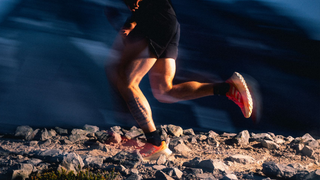
From warm up to recovery, batch codes keep your routine transparent and safe. Clean sport depends on clean products. That sounds obvious until you’re standing in a doping‑control station or a workplace testing bay and someone asks, “What exactly went on your skin?” In a market crowded with badges, only a few marks mean what professionals think they mean. Informed Sport certification is one of them. It’s not a loose “quality” logo; it is a program built for sport and high‑compliance environments that requires every batch of a certified product to be analysed for banned substances in ISO/IEC‑accredited laboratories before release. Crucially, the batch number printed on your tube links to a public record you can look up in seconds. That traceability protects athletes who live under strict liability, and it protects first responders, defence personnel, and industry workers subject to routine screening. If you use topical sports products like performance cream for warm‑up, muscle rub for activation, recovery gel after training, then batch testing is the difference between confidence and guesswork. With RYGG, both HEATE™ and KHULE™ carry Informed Sport certification and are listed medicines in Australia’s ARTG, so the claims you read are backed by science, not marketing hype. This article explains how to tell a robust certification from a look‑alike, how batch testing differs from occasional auditing, and why a simple verify‑document‑use workflow belongs in your kit policy. We’ll show you where to find a batch code, how to record it, and how to align your warm‑up cream and recovery gel choices with clean‑sport standards without adding friction to busy days. The outcome is practical: you reduce contamination risk, you answer questions with evidence rather than memory, and you keep focus on what matters; performing well and recovering fast with products you can trust. Informed Sport certification is built around ISO 17025 laboratories and documented methods. Every batch analysis is linked to a batch code printed on the tube so you can match product to lab record. Public batch verification makes audits simple for teams, coaches and compliance officers. If you cannot verify a batch, you are carrying unnecessary risk in a high‑compliance environment. Batch‑tested topical products reduce the chance of inadvertent contamination from banned substances. For athletes under strict liability, the safest path is to use products with every‑batch testing and keep a usage log. First responders and defense members who face internal testing benefit from the same discipline. Industry workers can use batch verification as part of a safety management system. HEATE™ and KHULE™ carry Informed Sport certification and are batch tested prior to release. The combination of ARTG listing and Informed Sport creates a clear, evidence‑led trust chain. Clean‑sport culture values procedure more than promise, and batch codes make procedure visible. When a label uses vague language like 'lab tested' without batch detail, treat it as insufficient for sport. A real certification program provides searchable records, explicit scope and ongoing oversight. HEATE and KHULE: Product Claims and Their Benefits HEATE™ is listed in Australia’s ARTG to improve muscle performance, endurance and stamina. KHULE™ is listed in Australia’s ARTG to assist post‑exercise recovery and relieve mild joint inflammation. How do HEATE and KHULE work: the biological mechanisms that support performance and recovery Used together, RYGG’s HEATE™ thermo performance cream and KHULE™ cryoactive recovery gel create your end‑to‑end performance and recovery regime. HEATE™ prepares muscle groups, supports increased blood circulation and provides anti‑inflammatory support. KHULE™ delivers fast‑acting cryotherapy‑like cooling to help calm the body and support post‑exercise recovery. Together, they provide a practical, science‑aligned protocol. At a sensory level, these effects align with the behaviour of TRP (Transient Receptor Potential) ion channels in the skin and peripheral nerves. Menthol is a classic agonist of TRPM8 (Transient Receptor Potential Melastatin 8), a cold‑sensitive channel whose activation is associated with the perception of cooling. This cooling input is linked to downstream vasoconstrictive responses that can help manage post‑exercise intramuscular stress and transient joint swelling. Think of KHULE as an ‘ice bath in a bottle’. By contrast, warming actives such as methyl salicylate can activate TRPV1 (Transient Receptor Potential Vanilloid 1), a heat‑sensitive channel associated with warmth perception; TRPV1 activation is consistent with local vasodilatory responses that accompany a feeling of heat. In HEATE, that fast‑onset warmth helps prime primary movers and prepare joints for activity. Beyond sensation, methyl salicylate also provides anti‑inflammatory support, rounding out HEATE’s role as a pre‑sport ritual. How to use HEATE and KHULE HEATE — Application guidance Apply an ample squeeze of HEATE 15–30 minutes pre‑sport or exercise to large muscle groups that will be active. Target areas: quadriceps, hamstrings, calves, glutes, lower back, shoulders and forearms (for grip‑intensive tasks). Rub the cream into muscles until it is no longer visible, then wash hands immediately after. Shop HEATE KHULE — Application guidance Apply KHULE™ to trained muscles or areas of the body experiencing discomfort (for example, quadriceps and calves after running; shoulders and elbows after overhead work; knees and ankles after field sessions) Massage the gel into the area until absorbed. Wash hands afterwards and reapply as needed according to the label. Shop KHULE Standards & transparency Products that are listed in the TGA’s ARTG provide customers with clear, trustworthy accreditation: claims are not marketing hype; they are bounded by evidence and science. Informed Sport certification proves product safety in drug‑tested contexts by adding every‑batch testing and public batch verification. Finally, both HEATE and KHULE are formulated to be hypoallergenic, making them suitable for all skin types when used as directed. Sources & further reading Informed Sport. (n.d.). *About the programme*. https://sport.wetestyoutrust.com/about Informed Sport. (n.d.). *Certified products & batch search*. https://sport.wetestyoutrust.com/ Informed Sport. (n.d.). *Frequently asked questions*. https://sport.wetestyoutrust.com/about/frequently-asked-questions International Organization for Standardization. (n.d.). *ISO/IEC 17025—Testing and calibration laboratories*. https://www.iso.org/isoiec-17025-testing-and-calibration-laboratories.html World Anti-Doping Agency. (n.d.). *World Anti-Doping Code*. https://www.wada-ama.org/en/what-we-do/the-code World Anti-Doping Agency. (n.d.). *Prohibited list*. https://www.wada-ama.org/en/prohibited-list Sport Integrity Australia. (n.d.). *Supplements and risk*. https://www.sportintegrity.gov.au/what-we-do/anti-doping/supplements Caterina, M. J., Schumacher, M. A., Tominaga, M., Rosen, T. A., Levine, J. D., & Julius, D. (1997). The capsaicin receptor: A heat-activated ion channel in the pain pathway. *Nature, 389*(6653), 816–824. https://doi.org/10.1038/39807 McKemy, D. D., Neuhausser, W. M., & Julius, D. (2002). Identification of a cold receptor reveals a general role for TRP channels in thermosensation. *Nature, 416*(6876), 52–58. https://doi.org/10.1038/nature719 Peier, A. M., Moqrich, A., Hergarden, A. C., Reeve, A. J., Andersson, D. A., Story, G. M., ... & Patapoutian, A. (2002). A TRP channel that senses cold stimuli and menthol. *Cell, 108*(5), 705–715. https://doi.org/10.1016/S0092-8674(02)00652-9
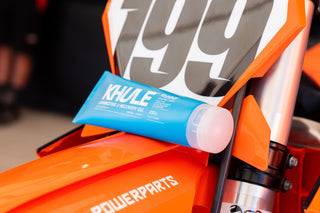
TRPM8 (Transient Receptor Potential Melastatin 8) is an ion channel predominantly involved in sensing cold temperatures and cooling agents like menthol. Belonging to the TRP (Transient Receptor Potential) family of ion channels, TRPM8 is expressed in sensory neurons and various tissues, including the skin, prostate, and bladder. This channel is activated by temperatures below approximately 26°C (78.8°F) and by chemical stimuli such as menthol and icilin. Upon activation, TRPM8 allows the influx of calcium (Ca²⁺) and sodium (Na⁺) ions into the cell, leading to depolarization of the neuronal membrane and the generation of action potentials. These signals are then transmitted to the brain, where they are perceived as a sensation of cold. This mechanism plays a crucial role in thermoregulation and the sensory perception of temperature changes. In addition to its role in cold sensation, TRPM8 has been implicated in various physiological and pathological processes. It is involved in the regulation of bladder function, and its expression levels have been linked to certain cancers, particularly prostate cancer, making it a potential therapeutic target. Research on TRPM8 continues to uncover its diverse functions and potential applications in medicine, including pain management, cancer treatment, and the development of cooling agents for therapeutic use.
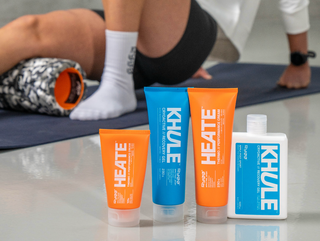
For athletes, socks are not just a minor accessory but a critical component of preparation for training and play a significant role in performance, comfort, and injury prevention. 1. Moisture Management: Athletic activities cause feet to sweat, and moisture can lead to blisters, infections, and discomfort. High-quality athletic socks are made from moisture-wicking materials that draw sweat away from the skin, keeping feet dry and reducing the risk of blisters and fungal infections. 2. Cushioning and Impact Protection: Athletic socks provide extra cushioning in high-impact areas such as the heels and balls of the feet. This cushioning absorbs shock, reduces stress on the feet, and prevents injuries caused by repetitive impact, which is crucial in high-intensity sports like running, basketball, or soccer. 3. Improved Fit and Support: Well-designed athletic socks enhance the fit of sports shoes, providing additional support and reducing the chances of shoes rubbing uncomfortably against the skin. Compression socks, in particular, improve blood circulation, reduce muscle fatigue, and support recovery by applying gentle pressure to the legs and feet. 4. Temperature Regulation: Athletic socks help regulate temperature, keeping feet warm in cold conditions and cool in hot environments. They achieve this through the use of advanced materials that provide insulation and breathability, ensuring optimal comfort during various weather conditions. 5. Injury Prevention: Specific designs in athletic socks, such as arch support, reinforced heels and toes, and compression zones, contribute to stability and support. These features help prevent common injuries like sprains, strains, and plantar fasciitis by providing proper alignment and reducing excessive foot movement. 6. Hygiene: Athletic socks play a crucial role in maintaining foot hygiene. By absorbing sweat and preventing it from accumulating in shoes, they help reduce foot odor and the risk of infections. 7. Psychological Boost: Wearing the right gear, including socks, can provide a psychological boost to athletes. Knowing they have the proper equipment can enhance confidence and focus, contributing to better performance. For athletes, socks are essential for moisture management, cushioning, support, temperature regulation, injury prevention, and hygiene. They are an integral part of athletic gear that significantly impacts performance and overall foot health.
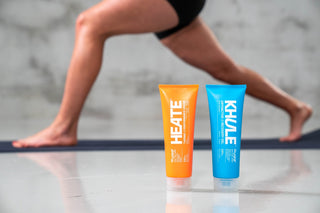
The Norwegian term "rygg," meaning "back," reflects the core philosophy of the company Rygg, which is centred on performance and recovery. In Norwegian culture, "rygg" can also have metaphorical meanings, such as support or strength, reflecting the back's fundamental role in human anatomy and health. Understanding the importance of the back, or "rygg," highlights the need for proper care and attention to this vital part of the body. By prioritising exceptional quality, innovation, and reliability, Rygg ensures that its products deliver outstanding results and set a new standard for excellence. The company's focus on trust and premium craftsmanship not only enhances the effectiveness of its performance and recovery solutions but also builds a reputation for dependability among athletes and wellness enthusiasts, solidifying its position as the leading choice for those seeking top-tier support and results. Just as the back is essential for stability and strength in our daily lives, Rygg is committed to providing the foundational support necessary for peak performance and effective recovery.

Sleep, often overlooked, is a critical component of overall health and well-being. It’s not just about feeling refreshed - it’s about giving your body the time it needs to repair and rejuvenate itself. When we sleep, our bodies enter a state of restorative calm. This is when the magic happens. Our muscles repair, our brains process the day’s events, and our immune system strengthens. It’s a time of healing and growth. Research shows that lack of sleep can lead to a host of health issues, including weakened immunity, increased stress levels, and even weight gain. It can also affect our mood, memory, and cognitive function. For athletes and fitness enthusiasts, sleep is even more crucial. It’s during sleep that our bodies produce growth hormone, which aids in muscle repair and growth. Without adequate sleep, our bodies can’t fully recover from the stresses of exercise. In conclusion, sleep is not a luxury, but a necessity. It’s an essential part of our body’s recovery process. So, prioritise getting a good night’s sleep - your body will thank you! Remember, quality sleep is just as important as diet and exercise in your health and fitness journey. Don’t neglect it! Sleep well, recover better.
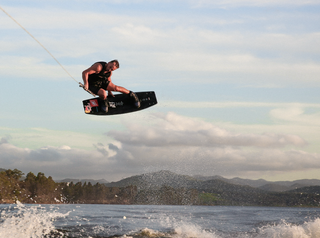
Riding the Waves with Cory Teunissen, Jetpilot and RYGG at Somerset Dam. This summer, we cranked up the adrenaline and kept the holiday vibes alive with an unforgettable collaboration shoot at the stunning Somerset Dam in Queensland. Teaming up with the legends at Jetpilot, we joined forces with none other than wakeboarding superstar and RYGG brand ambassador, Cory Teunissen. Cory brought his A-game, showing off why he’s a 5-time World Champion, 4-time World Series Champion, and currently holds the title of Wakeboarding World No. 1. Dressed in his @jetpilot vest and powered by RYGG's KHULE and HEATE products, Cory hit the water with his signature style and energy, capturing the essence of peak performance. We’ve got a bunch of content from the shoot coming your way! Over the next few days, keep an eye on our socials for epic reels, stunning photos, and behind-the-scenes moments. To top it all off, don’t miss the extended, uncut interview with Cory, where he shares his journey, his passion for wakeboarding, and why he’s proud to be part of the RYGG family. The full interview drops on Sunday, February 9, 2025, at 7PM on our YouTube channel. This collab isn’t just about wakeboarding - it’s about pushing boundaries, chasing goals, and being ready for every challenge. That’s what RYGG and our products are all about, and it’s why we’re stoked to have Cory leading the charge. Follow us, @jetpilotcompany, and @coryteunissen to stay in the loop and catch all the action!
Our STORY
Rygg was founded on a need to help people continue to move better.